Beyond the Bin: Why Tackling Food Waste is the Ultimate Low-Waste Upgrade
We talk a lot about plastic-free packaging, reusable glass jars, and ditching single-use items around here. However, if we’re being completely honest, there’s a sneaky culprit in our low-waste journey. In fact, it often sits right inside our fridges, slowly turning into an unidentified science experiment: food waste.
Reducing what we toss from our plates and crisper drawers isn’t just good for the wallet—it’s also one of the most powerful steps we can take toward a truly sustainable lifestyle.
Here is a high-level look at why food waste happens, why it matters, and how simple kitchen habits fit right into our low-waste toolkit.
The Unexpected Truth About Food Waste
It’s easy to assume that big grocery chains or restaurants are responsible for the mountain of food ending up in landfills. However, local data shows that nearly 50% of all surplus food comes directly from residential homes.
Why are we tossing so much? For example, it usually comes down to a few relatable habits:
- The “Science Experiment” Effect: Produce gets pushed to the back of the fridge and spoils before we remember it’s there.
- Leftover Fatigue: We make a massive batch of soup, eat it twice, and get tired of looking at it.
- Busy Schedules: Social plans or work commitments pop up, leaving prepped ingredients untouched.
- Label Confusion: Misinterpreting dates like “Sell By” or “Best If Used By” leads to perfectly edible food getting tossed prematurely.
Quick Tip: “Best If Used By” is usually about peak quality, not safety! Instead of throwing something away right on the expiration date, rely on your senses first. For instance, check the smell, color, and texture before making a final decision.

Photo by Towfiqu barbhuiya: https://www.pexels.com/photo/can-seal-over-printed-numbers-15038479/
The Hidden Cost of What We Toss
Throwing away food isn’t just about tossing a bruised apple or leftover pasta. In addition, we are wasting every single resource that went into growing, harvesting, packaging, and transporting that food:
- Money: As a result of wasted food, the average family of four throws away thousands of dollars every single year.
- Water: Wasting food accounts for roughly 25% of all freshwater use in the U.S. In fact, fruits and vegetables themselves are over 70% water!
- Energy & Land: Furthermore, the energy used to produce wasted food could power millions of homes, while the land used could feed millions of people.
Therefore, reducing food waste directly feeds into our low-waste mission by conserving community resources and keeping organic matter out of landfills, where it produces harmful greenhouse gases.
4 Smart Strategies for Your Kitchen Toolkit
Slashing your household food waste doesn’t require a total lifestyle overhaul—just a few intentional adjustments:
- Smart Shopping: Shop your pantry and fridge first, make a clear list with specific meals in mind, and buy only what you need.
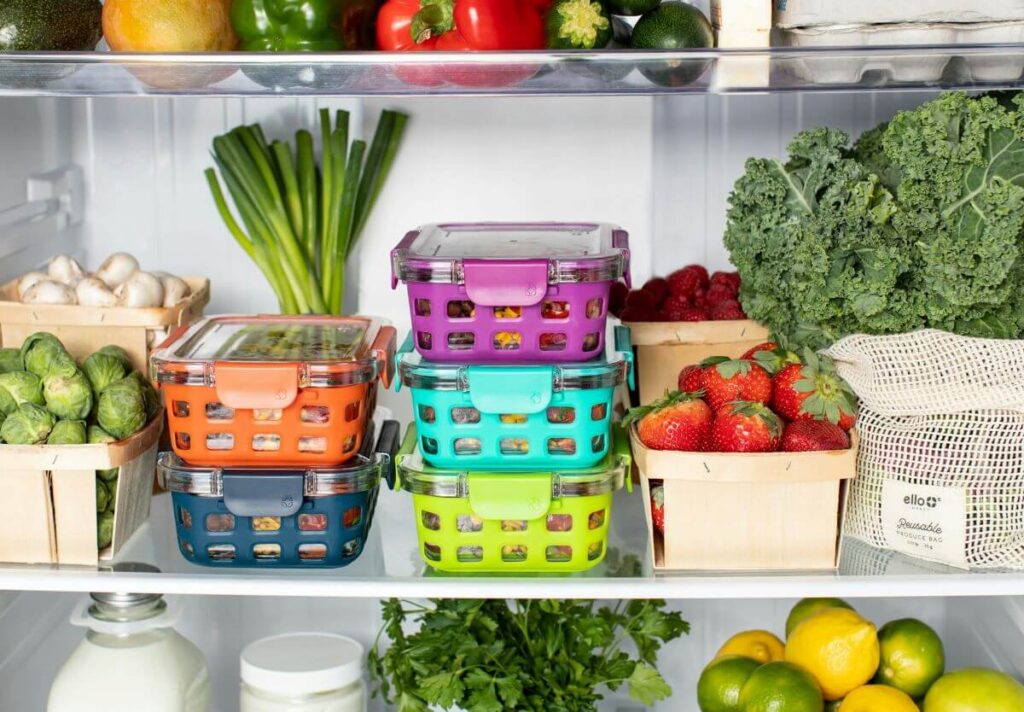
- Smart Storage: Decant dry items into airtight glass containers, keep produce stored properly (like keeping bananas and tomatoes away from other greens), and use beeswax wraps for cheeses.
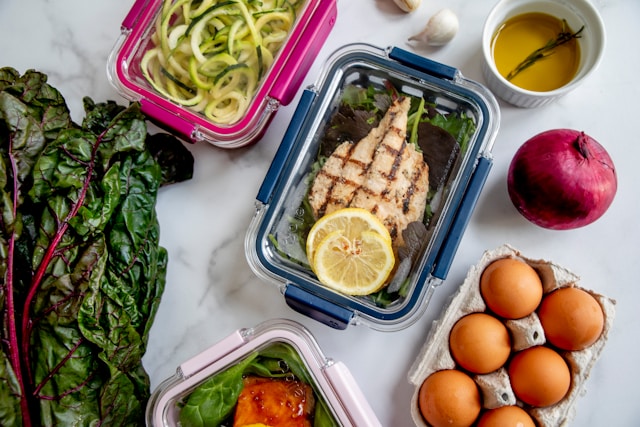
- Smart Prep: Prep ingredients right after shopping so grabbing a healthy snack or making a quick meal is effortless.
- Smart Savings: Get comfortable freezing leftovers, incorporating odd scraps into soups or stews, and labeling your containers with dates.
Closing the Loop with Composting
Even with the best planning, banana peels, coffee grounds, and apple cores happen. That’s why composting comes in as our favorite safety net.
Whether you utilize curbside collection programs, drop off scraps at a local farmers market, or run a backyard compost tumbler, diverting food scraps turns “waste” into nutrient-rich soil amendment while drastically cutting greenhouse gas emissions.

Photo by Lenka Dzurendova on Unsplash
Tying It All Together
Zero-waste living isn’t about perfection; it’s about being mindful of the resources we bring into our homes and using them to their fullest potential. Ultimately, by pairing smart package-free shopping with simple food-saving habits, we make a huge collective impact.
Looking for local spots to stock up on package-free staples and buy in bulk? Explore our curated list of regional eco-friendly shops and community hubs on our Resources Page.