Where to shop
Grocery Stores, Farmers Markets and Beyond
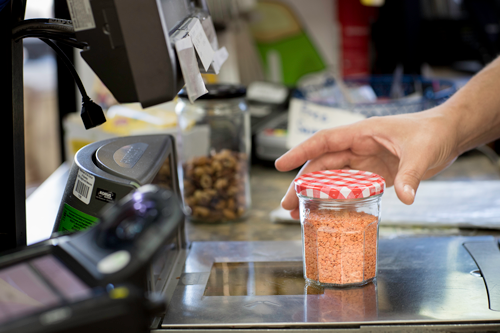
Finding stores where you’re able to purchase food and household staples without packaging can be a challenge. We’ve compiled a list of every place we know of in D.C. to stock up on some of the things you might need to live a low-waste lifestyle – from bulk bins at grocery stores, to unpackaged bar soap to reusable coffee thermoses, click below to browse local sources for low-waste living essentials.
Zoom in on the map below to find places to shop in your neighborhood package free, bringing your own jars and reusable produce bags. You can click on each dot to learn more about what’s available at each place! If you’re looking for a specific item, open the map and type the item (for example, “soap”) into the map’s search function.
See something we missed? We welcome any additions or corrections to the list of stores and what they sell.
Hop over to the contact page and send us a message.
Package Free Stores in the DMV
Where to Shop Package-Free Today
Grocery Stores
Here are some of our favorite places:
- MOM’s Organic – Ask a cashier to tare your jars before you fill up at the bulk bins
- Yes! Organic – Ask a cashier to tare your jars before you fill up at the bulk bins
- Glut Food Co-op – Use the scale at the back of the store to tare your jars before shopping
- Takoma Park Silver Spring Co-op (TPSS) – Ask a cashier to tare your jars before you shop
Farmers Markets
There are 65 Farmers Markets in the DMV area. For a list of locations and hours visit this interactive map.
Beyond Food (Household Goods)
Some of our favorite places to stock up on household items:
-
- Hunny Bunny Boutique – Soaps, shampoo bars
- MOM’s Organic – Laundry and dish soaps, kitchen and household reusables
- Take Care Shop – Dishwashing liquid, detergent, liquid soap
Explore our top recommended refill hubs, local markets, and neighborhood grocery stores below.
Refill
Produce
Coffee
Local Grocery Store Spotlight
Yes! Organic Market - Capitol Hill
Address: 410 8th St SE, Washington, DC 20003
Hours: Daily 7:00 AM - 10:00 PM
What to Buy Package-Free:
- Produce: Seasonally grown, unpackaged fruits, greens, roots, and herbs.
- Baked Goods & Grains: Fresh bread in paper bags (or BYO cloth bread bags). Rice, Pasta, Dry Beans.
- Coffee: BYO or paper bags provide.
Check the site for more locations!
BYO Tips:
- Bring clean, dry jars. Tare weight stations are available at registers before filling!
- Bring your own produce mesh bags, canvas totes, and egg cartons for reuse.
Refill
Farmers Markets
Produce
Seasonal Farmers Market Hub
Dupont Circle Farmers Market (FRESHFARM)
Address: 1500 20th St NW, Washington, DC 20036 (Near Dupont Circle Metro)
Hours: Sundays, Year-Round | 8:30 AM – 1:30 PM
What to Buy Package-Free:
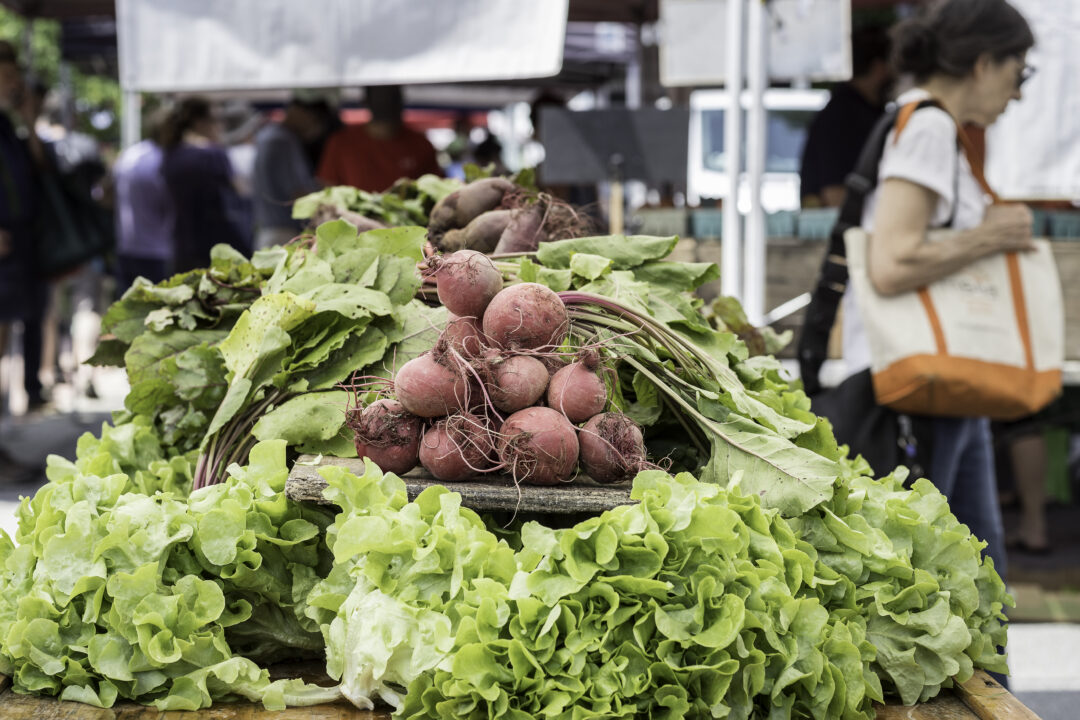
- Produce: Seasonally grown, unpackaged fruits, greens, roots, and herbs.
- Baked Goods & Grains: Fresh bread in paper bags (or BYO cloth bread bags).
- Dairy & Liquids: Milk and yogurt in returnable glass bottles with deposit.
BYO Tip:
- Bring your own produce mesh bags, canvas totes, and egg cartons for reuse.
- Compost Drop-Off: Dedicated food scrap bins located at the 20th & Q St entrance (operated by Zero Waste DC / DPR).

Refill
Soaps
Bulk Panty
Beyond Food: New Zero Waste Store
Greenthinker Zero Waste Store
Address: 7006 Carroll Avenue
Second Floor
Takoma Park, MD 20912
info@greenthinkerdc.org
240-554-5695
Hours: Tues, Fri, Sat 11:00 AM - 6:00 PM | Wed, Thurs 11:00 AM - 5:00PM | Sun 10:00 AM - 4:00 PM - Closed Mondays!
Refill soaps, detergents and other eco friendly products
BYO Etiquette: Bring clean, dry jars. Tare weight stations are available at entry before filling!
Package free shopping tips
Package Free Shopping Kit
Ready to shop with less waste? A few simple swaps can make a big difference.
- Bring a Reusable Shopping Bag – Skip single-use plastic and paper bags.
- Pack Mesh or Cloth Produce Bags – A reusable option for fruits and vegetables.
- Bring Clean Glass Jars & Bottles – Perfect for bulk foods and liquid refills.
- Use Reusable Metal Containers – Great for deli items, prepared foods, and bulk purchases.
Small changes add up! Bringing your own reusable containers helps reduce packaging waste and supports a more sustainable community.
What is Tare Weight & How Does It Work?
Tare weight (pronounced fair with a t) is simply the weight of your empty container before you put any food or product inside it. Bulk and refill stores deduct the tare weight at checkout so you only pay for the exact weight of the goods you’re buying—never the heavy glass jar!
3 Simple Steps to Tare Your Jars:
- Weigh It Empty: Before filling your jar or bottle, place it on the scale at the store's tare station (or ask the cashier to weigh it).
- Mark the Weight: Write the weight directly on the jar or lid using a dry-erase marker, chalk pen, or piece of painter's tape (e.g., Tare: 0.85 lbs or 380g).
- Fill & Checkout: Fill your container with spices, grains, oil, or soap. At checkout, the cashier subtracts your written tare weight from the total scale weight.
- Pro-Tip: Once you weigh your favorite jars at home or in-store, leave the tare weight written on the bottom or lid permanently with a sharpie or piece of tape. You won't have to weigh them empty ever again!
Small changes add up! Bringing your own reusable containers helps reduce packaging waste and supports a more sustainable community.
Bulk Store Etiquette: Keep It Clean & Easy
Shopping in bulk is fun and zero-waste, but keeping shared bins clean keeps the store safe and welcoming for everyone. Follow these quick guidelines:
- 100% Dry Containers: Make sure your jars, bottles, and cloth bags are completely dry before filling. A single drop of moisture inside a jar can ruin an entire gravity bin of dry grains or spices.
- Use Store Scoops & Funnels: Always use the dedicated scoops, tongs, or clean store funnels provided at each station. Never scoop directly using your own jar, lid, or hands.
- Snap a Photo of Product Codes (PLU): Most bulk bins have a 4-digit PLU or item number. Take a quick picture of the number on your phone or write it on your jar's tape—your cashier will thank you!
- Accidental Spill? No Stress! If you drop a few beans or spill a splash of soap, just let a staff member know right away so they can clean it up safely.
First Time Refilling? Start Small & Simple
Walking into a refill shop for the first time can feel a little confusing, but zero-waste shopping is a practice, not perfection! Here is how to make your first visit smooth:
- Start with Just One or Two Items: You don't need to overhaul your entire kitchen and bathroom on day one. Pick one high-use item to start—like dish soap, hand soap, or rolled oats.
- Forgot Your Containers? No Problem: Almost every local refillery features a "Community Jar Station"—a collection of free, clean, donated glass jars you can grab and use on the spot.
- Ask the Staff for Help: Refill shop owners and team members are passionate about zero-waste living and love helping first-timers. Hand them your empty jar, and they’ll gladly walk you through the tare and fill process!
- Bring Any Clean Container: You don't need expensive aesthetic mason jars. Clean peanut butter jars, pasta sauce jars, or old plastic detergent bottles work just as well!
Explore More Low Waste Resources
Compost & Food Waste Reduction
Composting helps reduce the amount of organic waste we send to landfills in the DC area. Whether you're looking for pick-up service, a place to drop it off, or do it yourself, we have resources to get you started. Compost Here!
Recycling and Diversion
Learn more about how to divert hard-to-recycle items from your trash and the landfill. Find out where to drop off electronics, textiles, and hazardous waste. Divert Here!
Latest Insights
Extreme Spins Casino Review 2026: What UK Players Need to Know
Extreme Spins Casino Review 2026: What UK Players Need to Know The extreme...
Extreme Spins Casino Review 2026: What UK Players Need to Know
Extreme Spins Casino Review 2026: What UK Players Need to Know The extreme spins casino review...
Best Online Casinos with Big Time Gaming Slots UK 2026
Best Online Casinos with Big Time Gaming Slots UK 2026 Big Time Gaming built its reputation on one...