Where to Compost
Pick up, drop-off and backyard
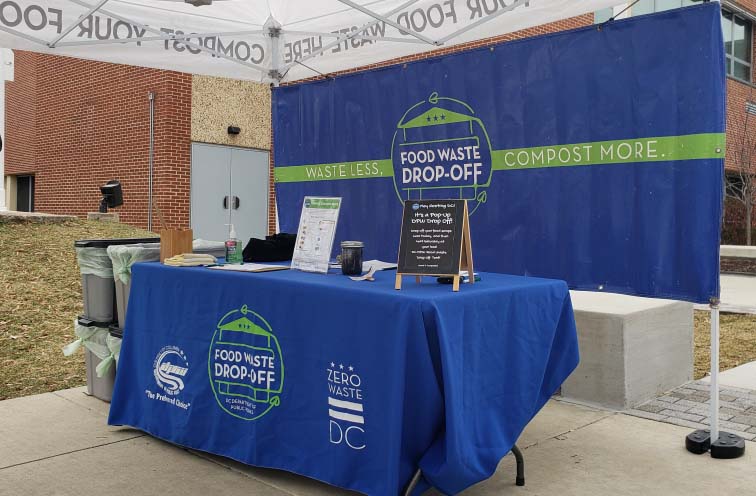
The District has many great options for those who would like to start composting. Pick-up services and drop-off locations make diverting food scraps from the landfill easy even for apartments or condo-dwellers who lack the backyard space that we traditionally may think of as necessary for composting.
Choose an option below to learn more about how to compost with that method, and to find resources – companies, locations, and helpful tips – about each different type of composting here in DC.
Drop Off Food Scraps in DC
To learn more about the city's Curbside Residential Services, Public Drop Off Bins and Farmers Market Locations details on what goes in the bin visit Zero Waste DC | Food Waste Drop-Off.
Where to compost food waste Today
Full Drop Off Locations in dc
Select here to find locations to drop off food waste.
Residential Curbside & Doorstep Pickup Options
- Zero Waste DC Residential Curbside Opt-In: Check the District Department of Public Works (DPW) schedule for ongoing expansions of municipal curbside compost collection in select neighborhoods.
- Compost Cab - Residential Services starting at $38 per month.
- Compost Crew - residential collection service starts at $32 per month.
- Veterans Compost - Residential Services one free month at sign up
Home Composting
Don't have access to a drop-off bin or yard space? You can process organic waste right inside a DC apartment or small townhouse garden:
- Worm Composting (Vermicomposting): Uses Red Wiggler worms in an odor-free, enclosed indoor bin to break down kitchen scraps into rich worm castings ("black gold") for houseplants or balcony gardens.
- Bokashi Fermentation: An anaerobic Japanese fermentation method that uses beneficial microbes to pre-compost ALL kitchen waste—including meat and dairy—in a sealed countertop bucket before burying it in garden soil or outdoor containers.
- Tumblers & 3-Bin Systems: Ideal for townhouses with backyard space. Combine 1 part "Greens" (nitrogen-rich kitchen scraps) with 2 parts "Browns" (carbon-rich dry leaves, shredded cardboard, or straw) to maintain an odor-free heap.
Want a more hands-on experience? Click here.
Learn more about our food waste programs in DC. Where you prefer hands-on or hands-off; live in a multifamily space or no backyard, there's an option for you!
Registration Needed
Food Scraps Only
Community compost park (DPR)
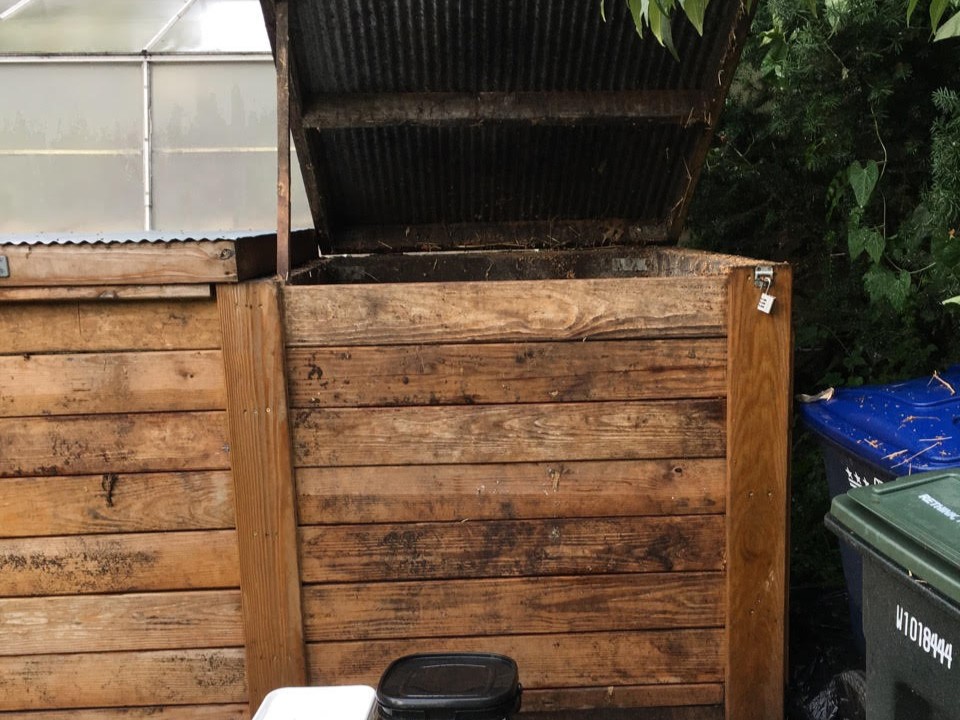
Columbia Heights Community Compost Park
Community Compost Cooperative Network
DPR’s Community Compost Network uses pest- and odor-proof bins to turn local kitchen scraps and garden waste into rich compost at 50+ neighborhood garden sites.
- Requirement: 1-hour orientation training
- Commitment: 1 hour/month helping process compost
- Access: Combination lock code provided upon training completion.
💡 How to Join Your Local Co-op:
- Find your nearest location on the DPR Co-op Map.
- Email the site manager listed to sign up for the next training session. (No manager listed? Contact:joshua.singer@dc.gov)
- Note: Bins are lock-protected. Only trained members may drop off scraps.
Accepts Meat & Dairy
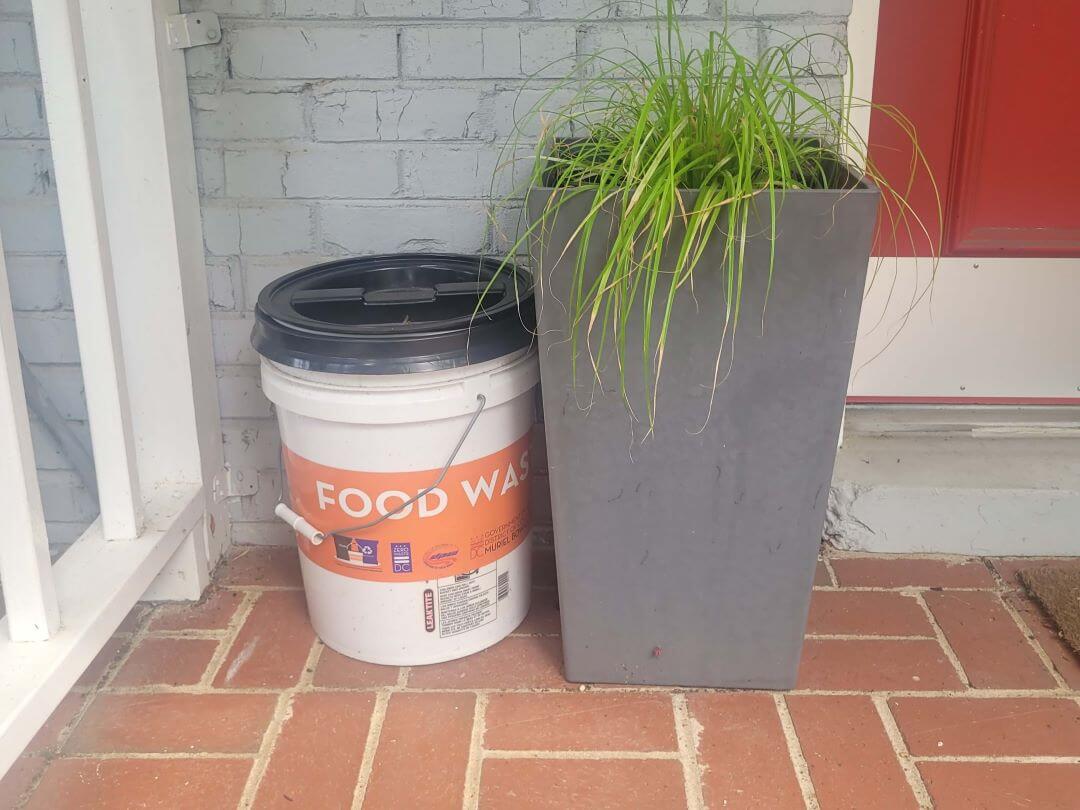
Compost Bucket
Kitchen Caddy
Waitlist
DC Residential Curbside Pickup
Department of Public Works' Office of Waste Diversion
Food Waste Collection Program
Available for Residential Household recieving DPW's trash, recycling and yard waste collection.
Commercial and Multifamily Residential are not eligible.
Visit the City's website for more informaion:
Program Update:
- DPW is currently not adding any new households.
- Priority will be given to residents living in designated low-income and disadvantaged communities across the District, mainly concentrated in Wards 5, 7, and 8.
- If you are interested in participating - get on the waitlist here:
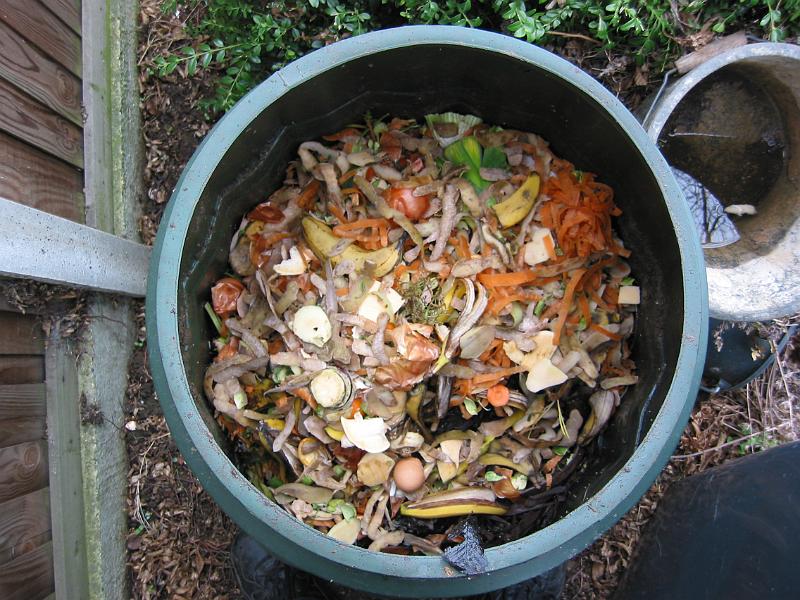
Commerical Composting
BPI Products
Meat, Bones & Shells
Commerical Organics
Monster Organics
Address: 7701 Southern Dr, Suite R, Springfield, VA 22150
703-574-3414
Organics Recycling for Commercial Business, Condos, Multifamily and More.
Accepts:
- Meat Fish & Dairy
- Wine Corks! (Real Cork Only)
Unique Acceptance List:
- Hair (Pet and Human)
- Fingernails
- 100% Cotton Balls and Swabs!
Troubleshooting & FAQ
Accepted vs. Unaccepted Items for Scrap Drop-Offs
Crucial Rule: Contamination ruins entire batches of compost! Always remove produce stickers, rubber bands, plastic ties, and PLU labels before dropping off your scraps.
✅ YES – Put These in the Drop-Off Bin
- Fruit & Vegetable Scraps: Peels, cores, rinds, seeds, stems, and wilted produce.
- Grains & Pantry Staples: Bread, pasta, rice, cereal, flour, oats, and nuts/nut shells.
- Coffee & Tea: Coffee grounds, unbleached paper coffee filters, and loose-leaf tea (no synthetic tea bags with plastic mesh/staples).
- Eggshells & Shells: Crushed or whole eggshells.
- Flowers & Plant Trimmings: Cut flowers, household plants (soil-free), and fresh herbs.
- Clean Paper Items: Unbleached paper towels, plain brown paper bags used to carry scraps, and wooden toothpicks/skewers.
❌ NO – Keep These OUT of Standard Community Bins
- Meat, Poultry & Seafood: Bones, fat, gristle, skin, and shells (Unless using a commercial service like Compost Cab or Veteran Compost).
- Dairy & Fats: Cheese, butter, milk, yogurt, lard, and cooking oils.
- Plastics & Bioplastics: Plastic bags, produce wrap, stickers, rubber bands, and "Compostable" BPI packaging/cutlery (Standard DPR community bins cannot process PLA/bioplastics).
- Pet Waste: Dog waste, cat litter, or animal bedding.
- Treated Wood & Yard Waste: Pressure-treated wood, sawdust, diseased plants, or yard trimmings treated with pesticides.
How to Access DC DPR Community Compost Parks
Washington, DC’s Department of Parks and Recreation (DPR) operates 50 neighborhood compost parks at community gardens across all 8 wards.
These bins are locked to prevent illegal dumping and contamination.
- Complete a Quick Registration: Register online through DPR or attend a 1-hour in-person workshop hosted by local urban agricultural staff.
- Learn Local Bin Protocol: Review site-specific guidelines (such as capping your scraps with brown carbon material/woodchips provided at the park).
- Receive Your Lock Code: Upon completing the orientation, you will receive the combination lock code for your neighborhood park’s bins.
For more detailed information visit: DC Department of Parks and Recreation Community Compost Coopertive
Apartment & Small-Space Backyard Composting
Don't have access to a drop-off bin or yard space? You can process organic waste right inside a DC apartment or small townhouse garden:
- Worm Composting (Vermicomposting): Uses Red Wiggler worms in an odor-free, enclosed indoor bin to break down kitchen scraps into rich worm castings ("black gold") for houseplants or balcony gardens.
- Bokashi Fermentation: An anaerobic Japanese fermentation method that uses beneficial microbes to pre-compost ALL kitchen waste—including meat and dairy—in a sealed countertop bucket before burying it in garden soil or outdoor containers.
- Tumblers & 3-Bin Systems: Ideal for townhouses with backyard space. Combine 1 part "Greens" (nitrogen-rich kitchen scraps) with 2 parts "Browns" (carbon-rich dry leaves, shredded cardboard, or straw) to maintain an odor-free heap.
Reducing food waste
Food Storage Tips
- Decant items once you get home
- Use airtight glass jars and containers
- Use Large Buckets Containers
- Beeswax Wraps are great for cheeses
- Mesh bags for herbs and greens
- Label Maker!! – Make your own date labels.
Tip: Use the desiccant packets in your storage containers.
Tip: SaveTheFood.com storage directory
Why We Toss
- Food turns moldy or spolied
- We didn't like or was tired of eating the food at home.
- We didn't like the leftovers
- Our Dynamic Lifestyles - Eating out.
- Date Label Confusion.
Fall Composting!
August is the perfect time to kick off your fall composting routine.
- Make the Most of Garden Cleanup – As summer winds down, you'll have an abundance of spent plants, trimmings, and garden debris ready for composting.
- Prepare for Fall Planting – Starting your compost pile now gives it time to break down, creating nutrient-rich compost for autumn garden beds.
- Keep Your Garden Tidy – Composting is an easy way to manage seasonal yard waste while reducing what goes to the landfill.
Composting Tips
- Check Moisture – Your compost should feel like a wrung-out sponge—not too wet, not too dry.
- Turn Weekly – Mix the pile once a week to improve airflow and speed decomposition.
- Cover the Top – Add a layer of leaves, straw, or finished compost to help retain moisture and discourage pests.
- Follow Local Guidelines – Check your local composting recommendations and accepted materials.
Don't Forget the Pumpkins!
When fall celebrations are over, compost your pumpkins instead of throwing them away. Whether they were festive decorations or leftovers from your favorite pumpkin recipes, they're a great addition to the compost pile.
Tip: Chop pumpkins into small pieces before adding them to your compost. Smaller pieces break down faster and help create finished compost more quickly. Be sure to remove candles, stickers, paint, glitter, or other non-compostable decorations before composting.
Explore More Resources
Package Free Shopping
Discover where to buy food and household items at stores and farmer’s markets in the District. Shop Here!
Recycling and Diversion
Learn more about how to divert hard-to-recycle items from your trash and the landfill. Find out where to drop off electronics, textiles, and hazardous waste. Divert Here!
Latest Insights
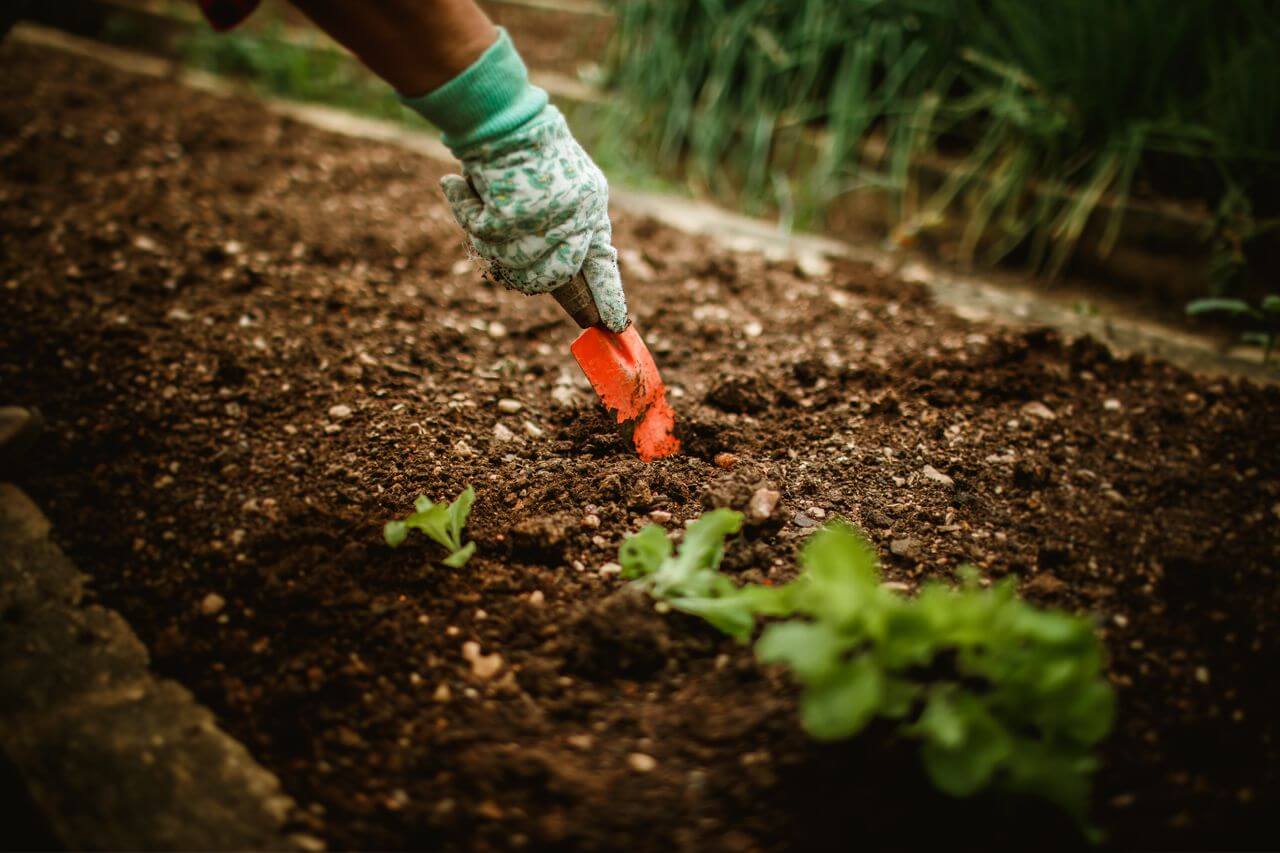
Digging In: Why I’m Starting My Own Veggie Garden
If you’ve been following along here at Package Free DC, you know we talk a lot about making conscious, sustainable choices in our everyday lives. We look for ways to ditch single-use plastics, streamline our shopping, and take control of what comes into our homes....
How to Organize Your Fridge to Cut Food Waste & Save Money
Following these steps, you can transform your fridge into a well-organized and efficient space. Not only will this make finding ingredients easier, but it can also help you reduce food waste, save money, and promote food safety. So, let’s get organized!
How to Cut Food Waste & Upgrade Your Zero-Waste Life
Beyond the Bin: Why Tackling Food Waste is the Ultimate Low-Waste Upgrade We talk a lot about...