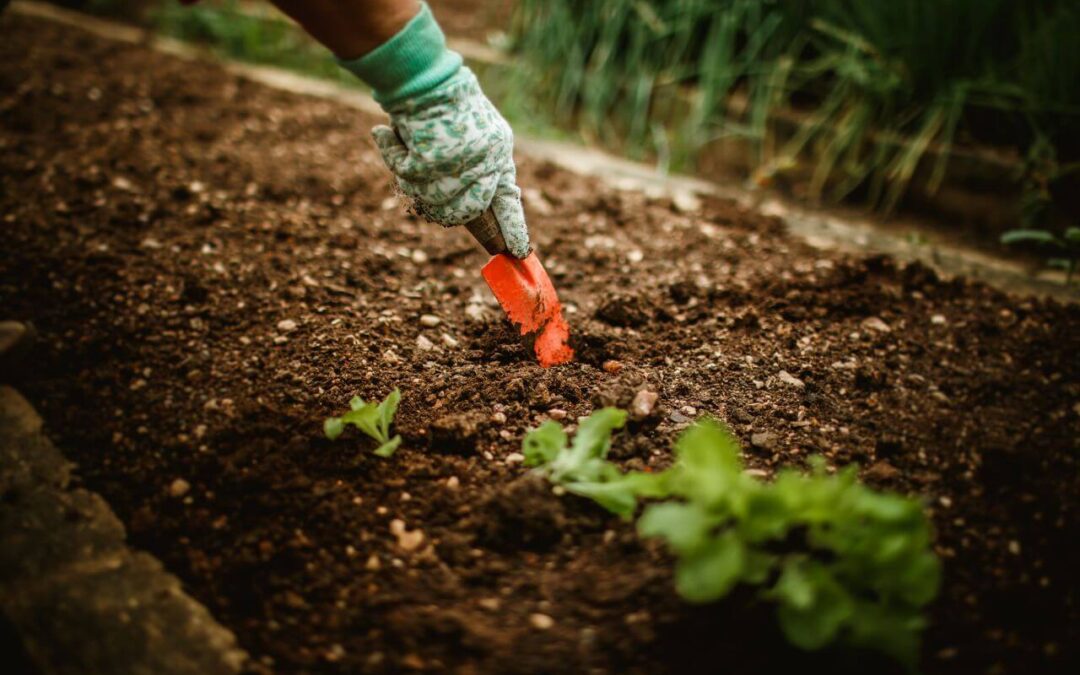
Digging In: Why I’m Starting My Own Veggie Garden
If you’ve been following along here at Package Free DC, you know we talk a lot about making conscious, sustainable choices in our everyday lives. We look for ways to ditch single-use plastics, streamline our shopping, and take control of what comes into our homes.
Lately, I’ve been thinking about the ultimate way to go package-free: growing my own food.
Let’s be completely honest right out of the gate: I am not a master gardener. I don’t have a massive plot of land or a high-tech greenhouse. But I am officially launching my own vegetable growing journey, and I’m taking you all along for the ride—mistakes, tiny sprouts, and all.
If you’ve ever looked at a plastic clamshell of grocery store lettuce and thought, “There has to be a better way,” this journey is for you. Here is exactly why I’m digging in this season, and how we can make our kitchen gardens as sustainable as humanly possible.
The "Why": Beyond Just Ditching the Plastic
While cutting down on plastic packaging is a massive motivator, my decision to start growing food boils down to a few major pain points we’ve all been feeling lately:
- Food Safety and Reliability: Over the past decade, it feels like we can’t go a few months without hearing about another massive recall on romaine lettuce, spinach, or bagged salad greens due to agricultural contamination or diseases. When you grow your own leafy greens, you know exactly what touched them, what watered them, and where they came from. No recalls, just fresh food.
- Beating the Food Cost Crunch: Food prices are no joke. To counter this, I’ve shifted my shopping strategy to focus heavily on buying kitchen staples and meats in bulk whenever possible. Adding homegrown vegetables to the mix is the missing piece of the puzzle. It dramatically drives down the weekly grocery bill while keeping things entirely organic.
- Fewer Trips, Better Quality: Growing a hyper-local kitchen garden means fewer rushed trips to the store just because I ran out of a single green ingredient. Plus, you absolutely cannot beat the taste of a vegetable that went from soil to plate in under five minutes.
The Plan: A Minimalist, Low-Waste Setup
Because sustainability is at the heart of everything we do here, I’m challenging myself to keep this setup as eco-friendly and low-waste as possible. That means avoiding the temptation to run to a big-box store and buy a mountain of brand-new plastic starter trays, synthetic fertilizers, and bagged dirt.
Instead, I'm focusing on two things: reusing what I have and tapping into our incredible local DC community.
To keep things manageable for my first go-around, I'm focusing on high-success, beginner-friendly crops that thrive right here in our region (hello, Zone 7b!). I'm starting with hearty salad greens, radishes, and a few versatile herbs.
Tapping Into DC’s Local Garden Resources (Because We Don't Do This Alone)
One of the best parts about trying to live sustainably in Washington, DC is that you don’t have to suffer through the trial-and-error process alone. Our local community has some incredible, often-overlooked resources that make starting a garden incredibly eco-friendly (and wonderfully cheap):
- The Ultimate Cheat Code: The DUG Network: If you aren't bookmarking the DC Urban Gardener Network right this second, pause and go do it. They are a volunteer co-op that acts as the absolute central brain for urban agriculture, food justice, and sustainability in the District. Whether you need to find a community plot, attend a workshop, or just figure out where to get supplies close to home without a side order of single-use plastic, their directory is gold. (And keep an eye on this space, because I’m planning some fun collaborations with these awesome folks in the future!)
- Free Bulk Compost & Mulch (Yes, Really): Did you know the DC Department of Public Works (DPW) offers free compost to District residents? You can entirely skip buying those heavy, non-recyclable plastic bags of soil from the big-box garden centers. Just bring your own reusable buckets, bins, or whatever containers you have on hand to the DPW eco-station, and load up on nutrient-rich compost made right here from local leaf collection. Your wallet and the planet will both thank you.
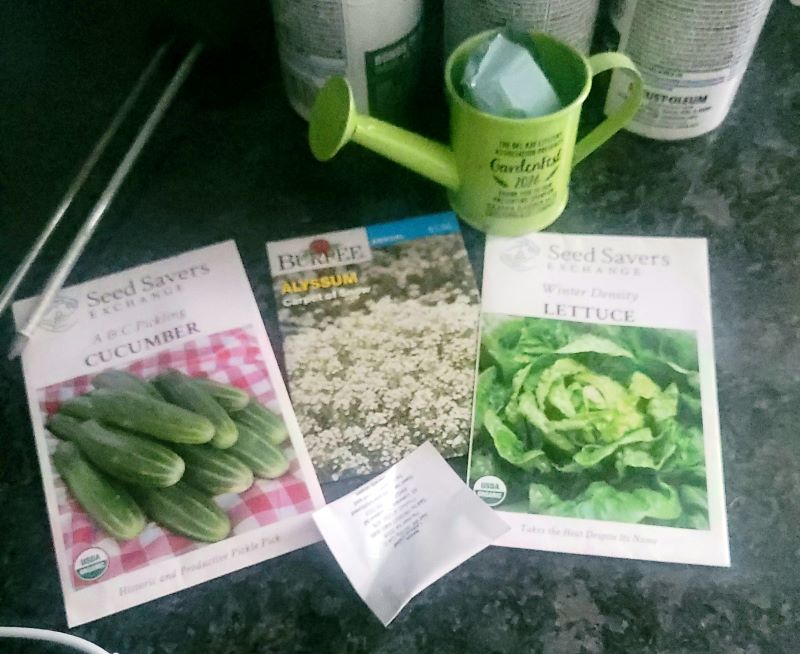
- Neighborhood Seed Swaps & Libraries: Before you buy massive commercial paper-and-plastic seed packets containing 500 seeds when you only need five, check out local seed exchanges. They are frequently hosted at neighborhood libraries and community centers. It’s a fantastic way to grab exactly what you need, completely package-free, while keeping old-school community sharing alive.
Join Me on the Journey!
This is just week one. In the coming weeks, I’ll be sharing updates on how I’m setting up my space, what’s sprouting, and the specific low-waste hacks I'm using to keep the garden thriving.
Low-waste living and gardening are always better together. Whether you're trying your hand at container herbs or know a local shop we need to feature, pop over to our Contact Page. You can send a direct message, sign up for latest site updates, or link up with us on social media!